
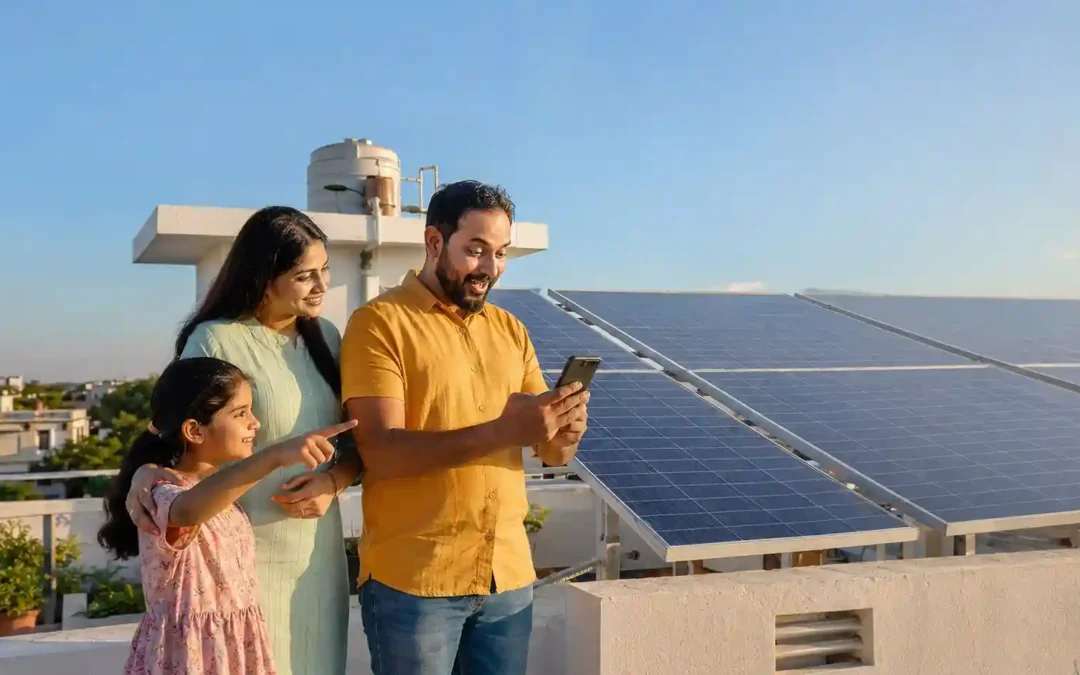
How to Reduce Your Electricity Bill by 90% Using Solar Energy
The electric bills keep getting higher each year, and for many homes and businesses the cost of power has become a crippling expense. Air conditioners, refrigerators, washing machines and office equipment – our modern life is powered by electricity. But what if you were able to slash your electricity bill by as much as 90%?
That’s precisely why more home and business owners are making the switch to solar. Solar energy isn't a luxury or a concept of the future.se" Home solar panels have become one of the shrewdest and most economical investments for Indian residential and commercial spaces.
In this comprehensive guide, you'll find out what solar energy is, how it can reduce your electric bills, the cost of installation, government subsidies, how you can calculate your savings, how to maintain a system, and how a reliable solar provider such as Sakshine Solar can change your power bills forever.
What Is Solar Energy?
Solar energy is the energy produced by the sun. Solar panels collect sunlight and turn it into electricity with a technology called photovoltaic (PV).
A solar system generally includes:
- Solar panels
- Solar inverter
- Mounting structure
- Wiring and safety equipment
- Net meter
- Battery (optional)
Solar panels produce free electricity in the day once they are installed, so you can start cutting your use of costly grid electricity.
Why Electricity Bills Are Increasing in India
Electricity rates in India have increased significantly over the last few years due to:
- Rising fuel costs
- Increased demand for electricity
- Urban expansion
- Inflation
- Dependence on coal-based power plants
It has been reported that bills above ₹3,000 and between ₹3,000 to ₹7,000 or even higher are common for households using ACs, water heaters, coolers, and kitchen equipment.
Electricity bills can be one of the largest operating expenses for businesses, factories, schools, hotels and office buildings.
This is where solar energy becomes a game-changing solution.
How Solar Energy Reduces Your Electricity Bill by 90%
The biggest reason solar power is becoming popular is simple:
You Generate Your Own Electricity
Your solar panels generate electricity directly from the sun, rather than purchasing costly electricity from the electric company.
During the day:
- Fans run on solar power
- ACs run on solar power
- Refrigerators run on solar power
- Office equipment runs on solar power
This drastically reduces electricity consumption from the grid.
Understanding Net Metering
One of the most powerful advantages of solar energy is net metering.
With net metering:
- Extra electricity generated by your solar system is exported to the electricity grid.
- You receive credits for the exported power.
- At night or during cloudy weather, you can use electricity from the grid using those credits.
This helps reduce your final bill dramatically.
In many households, the electricity bill is as low as ₹200-500 after installing the solar panels.
Real Example of Solar Savings
Let’s understand with a practical example.
Before Solar Installation
Monthly electricity bill: ₹8,000
Yearly electricity expense: ₹96,000
10-year electricity expense: ₹9,60,000
After Solar Installation
Monthly electricity bill: ₹500 to ₹1,000
Yearly electricity expense: ₹6,000 to ₹12,000
10-year expense: Approximately ₹1 lakh
Total Savings in 10 Years:
₹8 lakh or more
That is why solar energy is considered one of the best long-term investments today.
Benefits of Installing Solar Panels
1. Massive Reduction in Electricity Bills
The main benefit is obvious – massive savings every month.Depending on the size of the system and the amount of electricity used, a lot of users reduce bills by 70% to 90%.
2. Protection from Future Electricity Price Hikes
Electricity rates continue to rise every year. Once you install solar panels, your dependence on expensive grid power reduces significantly. This protects you from future tariff increases.
3. Excellent Return on Investment
A solar system usually pays for itself within 3 to 5 years. After that, the electricity generated is practically free for many years. Most solar panels last 25 years or more.
4. Low Maintenance
Solar systems require minimal maintenance. Routine cleanings and periodic check-ups will ensure the system keeps running smoothly.
5. Eco-Friendly Energy
Solar energy is clean and renewable. It reduces pollution and helps protect the environment by lowering carbon emissions.
How Much Does a Solar System Cost in India?
The price depends on:
- System size
- Panel quality
- Inverter brand
- Roof type
- Installation complexity
Approximate prices:
| System Size | Suitable For | Approx Price |
|---|---|---|
| 1kW | Small home | ₹60,000 – ₹90,000 |
| 2kW | Medium family | ₹1 lakh – ₹1.5 lakh |
| 3kW | Large family | ₹1.5 lakh – ₹2 lakh |
| 5kW | Heavy usage home | ₹2.5 lakh – ₹4 lakh |
| 10kW | Commercial use | ₹5 lakh+ |
Government subsidies can further reduce installation costs.
Government Subsidy for Solar Panels
The Indian government actively promotes rooftop solar installations.
Qualified homeowners may be eligible to receive financial aid for home solar systems from different subsidy programs.
Benefits include:
- Lower installation cost
- Faster return on investment
- Encouragement for clean energy adoption
A professional solar firm such as Sakshine Solar can assist you in navigating through the incentive and net metering process.
Choosing the Right Solar System
There are mainly three types of solar systems.
1. On-Grid Solar System
- Connected to the electricity grid
- Most affordable option
- Best for reducing electricity bills
- Works with net metering
Ideal for homes and offices.
2. Off-Grid Solar System
- Works independently without grid electricity
- Includes batteries
- Useful in remote areas with power cuts
3. Hybrid Solar System
- Combination of grid and battery backup
- Provides backup during outages
- More advanced solution
How to Calculate the Right Solar Size for Your Home
The ideal solar size depends on your monthly electricity consumption.
General estimate:
| Monthly Bill | Recommended System |
|---|---|
| ₹1,500 – ₹2,500 | 1kW |
| ₹3,000 – ₹5,000 | 2kW |
| ₹6,000 – ₹8,000 | 3kW |
| ₹10,000+ | 5kW or more |
A professional site survey helps determine the exact requirement.
Best Location for Solar Panel Installation
Solar panels are usually installed on:
- Rooftops
- Commercial buildings
- Factories
- Parking sheds
For maximum efficiency:
- Panels should receive direct sunlight
- Avoid shadow areas
- Proper panel angle is important
The sunny skies of India Indians favourable for solar energy as almost all region enjoys the warmth of Sun for most of the year.
How Long Do Solar Panels Last?
High-quality solar panels generally last:
- 25 to 30 years
Most manufacturers provide:
- Performance warranty
- Product warranty
This makes solar one of the most reliable long-term investments available today.
Solar Panel Maintenance Tips
Maintaining solar panels is simple.
Basic Maintenance Includes:
- Cleaning dust regularly
- Removing bird droppings
- Checking wiring periodically
- Annual inspection
Clean panels generate better electricity output.
Common Myths About Solar Energy
Why Businesses Are Rapidly Switching to Solar
Commercial electricity tariffs are usually much higher than residential tariffs.
Businesses installing solar systems benefit from:
- Lower operating costs
- Better profit margins
- Brand image improvement
- Long-term energy security
Industries like:
- Hotels
- Schools
- Hospitals
- Factories
- Warehouses
- Shopping complexes
are increasingly adopting solar energy.
Why Solar Is Better Than Investing Only in Gold
Many people traditionally invest in gold for financial security. But solar provides something gold cannot:
Monthly Savings and Long-Term Returns
Gold may appreciate over time, but solar panels actively reduce your monthly expenses. Rather than sitting on their money in a passive investment, solar provides tangible monthly financial benefits.
That is why many homeowners now see solar as a smart wealth-saving investment.
Future of Solar Energy in India
India is rapidly becoming one of the largest solar energy markets in the world.
Support from the government, increasing electricity prices, and advances in technology are contributing to significant expansion.
Experts predict:
- Solar adoption will increase significantly over the next decade
- Solar panel costs will continue becoming more affordable
- More homes and businesses will shift toward renewable energy
This makes today the perfect time to invest in solar energy.
Why Choose Sakshine Solar?
When investing in solar, choosing the right installation partner is extremely important.
- Premium quality solar panels
- Professional installation
- Trusted technical support
- Customized solar solutions
- Assistance with subsidies and net metering
- Reliable after-sales service
Whether you are looking for a home rooftop solar system or a commercial installation, Sakshine Solar assists you to get maximum saving and long term utility.
Signs That You Need Solar Energy Immediately
You should seriously consider solar installation if:
- Your electricity bill is increasing every month
- You use air conditioners regularly
- You own a large home or office
- You want long-term savings
- You want energy independence
- You want better returns on investment
The earlier you install solar, the earlier you start saving money.